
Construction Site Safety: Practical Steps to Protect Workers
A Practical Guide to Identifying Hazards, Managing Risks, and Protecting Workers
Discover essential safety practices, risk assessments, inspections, and training to protect construction workers.
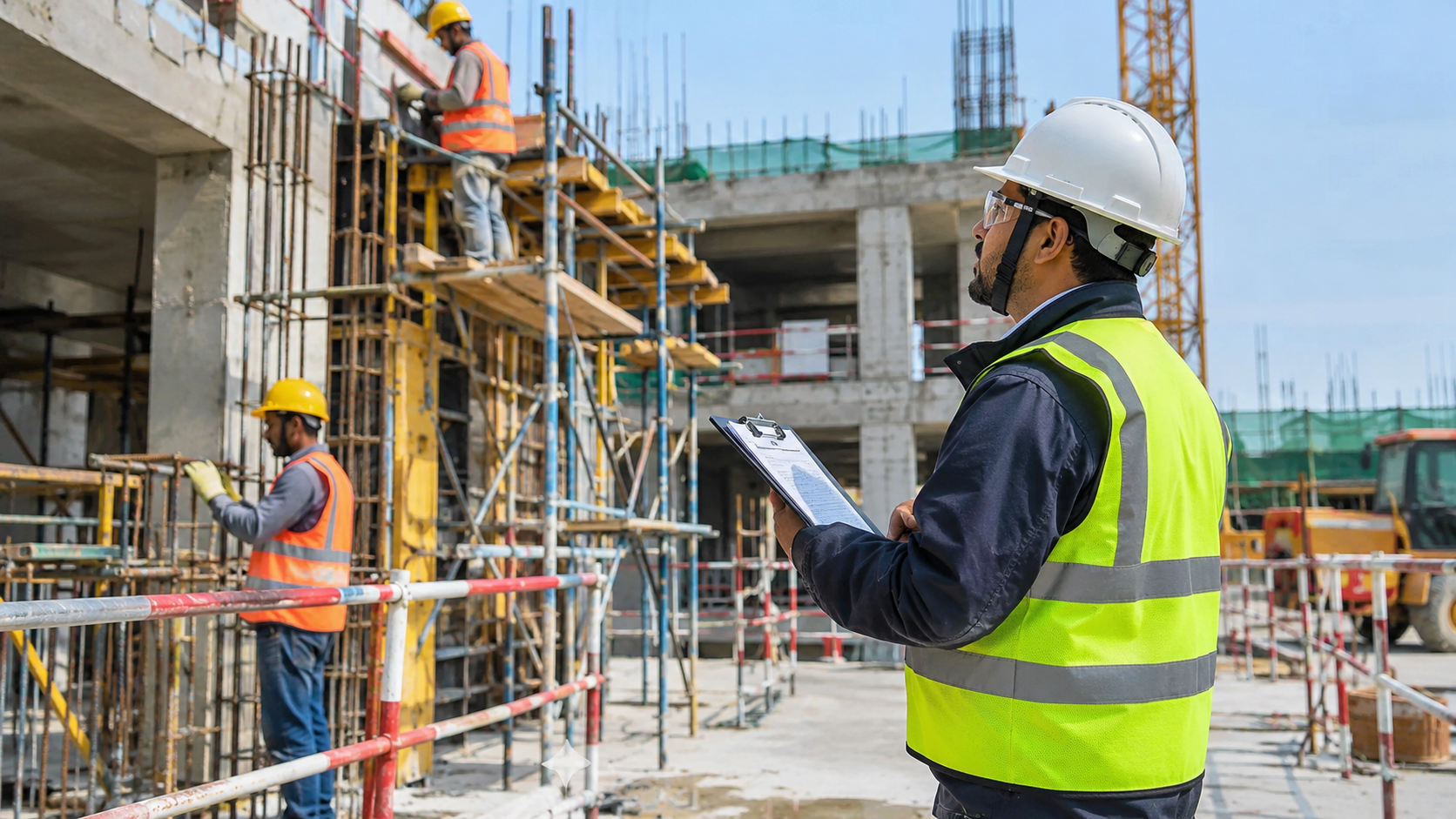
Construction sites involve workers, contractors, machinery and changing tasks. Work at height, excavation and electrical activity create hazards. Effective Construction Site Safety needs planning, clear responsibilities, regular checks and timely action.
The International Labour Organization’s Code of Practice promotes prevention and cooperation throughout construction projects. Apply it alongside local requirements and standards.
What Is Construction Site Safety?
Construction Site Safety uses procedures and controls to protect workers, contractors and visitors. It combines hazard identification, risk assessment, inspections, PPE, permits, incident reporting and training.
Strong Construction Safety Management makes these activities part of everyday work. Everyone should know how to recognise hazards, report concerns and follow task-specific controls.
Why Is Construction Site Safety Important?
Prevents injuries and disruption
Falls, falling objects, moving equipment and electrical hazards can cause serious harm. Identifying risks before work begins helps teams select suitable controls. OSHA highlights falls, struck-by incidents, electrocutions and trenching among major construction hazards.
Improves coordination
Clear responsibilities help supervisors coordinate contractors, communicate hazards and track corrective actions.
Builds worker awareness
Briefings help employees understand procedures, equipment requirements and emergency arrangements.
Common Construction Site Hazards
Working at heights
Scaffolds, ladders and roofs create fall risks. Check access equipment and fall-prevention measures before work.
Electrical hazards
Damaged cables, exposed wiring and temporary installations can cause shock or fire. Inspect equipment, protect cables and use appropriate isolation procedures before maintenance.
Heavy equipment and machinery
Cranes, forklifts and excavators create collision and crushing risks. Use authorised operators, equipment checks and clear routes.
Excavation and trenching
Unstable soil, underground services and water can make excavations dangerous. Identify utilities, assess ground conditions and use suitable protective systems. Never enter an unprotected trench.
Slips, trips and falling objects
Loose cables, wet surfaces, scattered materials and unsecured loads create avoidable hazards. Keep walkways clear, store materials safely and use barriers where needed.
Essential Construction Site Safety Management Practices
Conduct a Construction Risk Assessment
A Construction Risk Assessment identifies hazards, who may be harmed and possible consequences. Consider tasks, equipment and surroundings. Select controls, communicate them and review changes.
Complete a Construction Site Safety Inspection
Inspect scaffolding, ladders, electrical systems, machinery, PPE, storage, routes and emergency equipment. Record findings, assign owners and deadlines, then verify corrective actions.
Report incidents and near misses
Make reporting injuries, near misses and unsafe conditions easy. Record details, investigate causes and track corrective actions.
Apply permits and clear procedures
High-risk activities, including hot work, electrical maintenance and confined-space entry, may require formal authorisation. Confirm hazards, precautions, responsible people and emergency arrangements before work starts.
Communicate before each task
Pre-task briefings explain hazards, controls, PPE and responsibilities. Invite questions and confirm understanding.
Construction Safety Training and Accident Prevention
Construction Safety Training should match workers’ roles and the risks they face. Operators, electricians, scaffolders and general workers may need different instruction. Cover safe work methods, equipment use, hazard reporting and emergency response.
Toolbox talks cover heights, electrical safety, material handling, fire prevention and site concerns. Record attendance and refresh training when conditions change.
Construction Accident Prevention also depends on learning from observations. If inspections repeatedly identify missing PPE in one area, supervisors can investigate why, discuss expectations and check equipment availability. This turns records into practical improvements.
How Technology Can Improve Site Safety
Paper forms, spreadsheets and separate messages can make follow-up difficult across projects. Digital tools can centralise observations, inspections, incident records, permits and corrective actions.
Workers can submit photographs, while supervisors assign actions and monitor progress. Checklists standardise records and dashboards show open findings. AI may flag hazards in images, but people must review results. Technology never replaces professional judgement or physical inspections.
How InstaResolv Supports Construction Site Safety Management
InstaResolv brings field reporting, safety workflows and workforce learning together in an AI-powered platform for construction and field-led operations.
- AI hazard identification: Teams upload photographs and review suggested observations.
- Digital inspections: Workers record findings, photographs and corrective actions.
- Incident management: Teams maintain incident details, evidence and resolution records.
- Permit management: Workflows support requests, approvals and electronic signatures.
- Learning management: Assign video and SCORM courses, quizzes and certificates; monitor completion.
- Multilingual tools: Translation and voice features support communication.
- Project reporting: Dashboards, alerts, exports and mobile access improve visibility. Offline drafts synchronise when connectivity returns.
These capabilities connect observations with follow-up. Explore InstaResolv to see how its workflows support site processes.
A Practical Daily Safety Checklist
Before a shift, supervisors can:
- Review tasks, hazards and permits.
- Confirm training, authorisation and PPE.
- Check access routes, tools and equipment.
- Confirm emergency arrangements and review open actions.
A supervisor should document hazards, assign actions and confirm the route is clear before work safely resumes. Adapt the checklist to site conditions; it does not replace task assessments or specialist inspections.
Conclusion
Construction Site Safety Management is an ongoing process of planning, identifying hazards, applying controls and checking their effectiveness. Consistent Construction Safety Management, risk assessments, inspections and training help teams protect workers and address issues early.
Digital platforms connect reporting, permits, inspections and learning. InstaResolv provides tools to support these workflows and improve visibility across projects. Involve workers in safety decisions and review performance regularly.
FAQ
1. What are the most common construction site safety hazards?
Common construction site hazards include falls from heights, electrical hazards, moving machinery, falling objects, excavation risks and slips or trips. Regular inspections and hazard assessments help identify these risks before they cause injuries.
2. How can construction companies improve safety on job sites?
Construction companies can improve safety through regular risk assessments, site inspections, proper PPE, worker training and incident reporting. Clear safety procedures and timely corrective actions also help maintain safer working conditions.
3. How often should construction site safety inspections be conducted?
Inspections should follow the level of risk, work activities and applicable safety requirements. Equipment and work areas should be checked before use, with additional inspections whenever site conditions or activities change.
4. What is the importance of construction safety training?
Construction Safety Training helps workers recognise hazards, operate equipment safely, use protective equipment correctly and respond to emergencies. Regular toolbox talks and refresher sessions reinforce safe working practices.
5. How does construction safety management software help prevent workplace accidents?
Construction Safety Management Software helps teams document hazards, conduct digital inspections, report incidents and track corrective actions. Some platforms also support AI-powered hazard identification and training management, improving safety visibility across construction projects.
Frequently Asked Questions
InstaResolv helps teams organize projects, manage tasks, collaborate effectively, and monitor project progress through a centralized platform. It improves visibility into project activities and helps teams work toward meeting deadlines and achieving their goals.
Yes. InstaResolv supports project progress monitoring through dashboards and reports, helping project managers track task completion, monitor milestones, and gain insights into project performance for better decision-making.
Common construction site hazards include falls from heights, electrical hazards, moving machinery, falling objects, excavation risks and slips or trips. Regular inspections and hazard assessments help identify these risks before they cause injuries.
Construction companies can improve safety through regular risk assessments, site inspections, proper PPE, worker training and incident reporting. Clear safety procedures and timely corrective actions also help maintain safer working conditions.
Inspections should follow the level of risk, work activities and applicable safety requirements. Equipment and work areas should be checked before use, with additional inspections whenever site conditions or activities change.